SEARCH FOR KNOWLEDGE! What do you KNOW about Diversity, Equity, and Inclusion in the sport of Artistic Swimming?
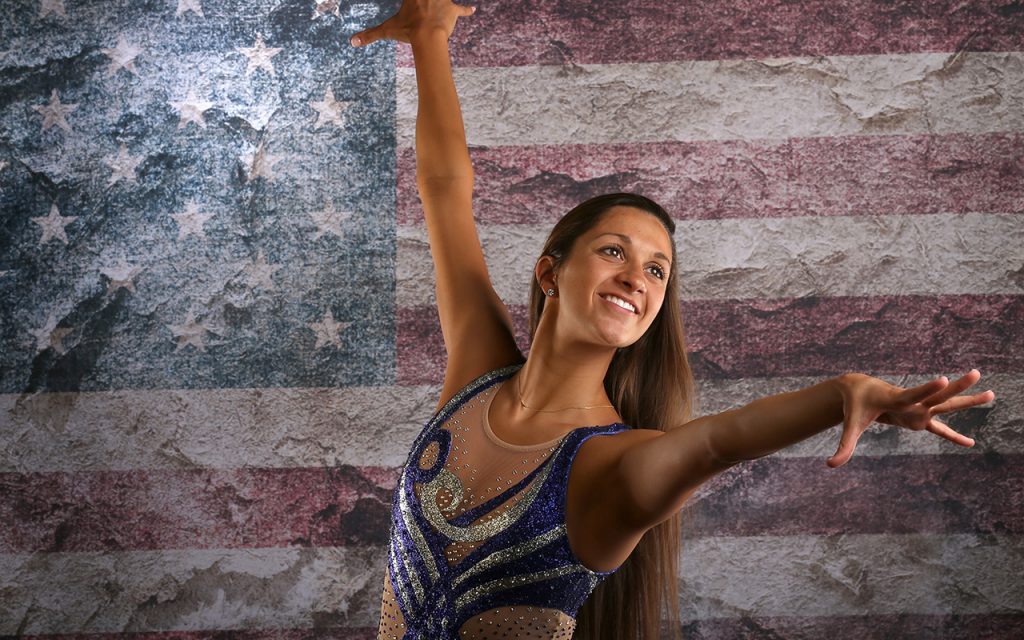
Artistic Swimming (formerly Synchronized Swimming) has undergone a significant transformation to address long standing gaps in diversity, equity and inclusion (DEI), particularly regarding gender representation, racial access and athlete rights. Artistic Swimming has recently seen a boom with an increasing number of males in the sport. For the first time, men were allowed to compete in the Olympic Team event at the Paris 2024 Games with up to two men permitted per team. World Aquatics, the Int'l Aquatics Federation introduced 'mixed duets' in 2015 and later added individual men's solo events to Int'l competition programs.
In 2021, The USA Artistic Swimming Federation (USAAS) included an athletes with disabilities (AWD) invitational along with formal rules at sanctioned events in the USA. In 2021, the Artistic Swimming Jr. Olympics introduced the first time AWD invitational at this event in Colorado Springs, home of the Team USA Paralympics. USAAS also implemented a groundbreaking Gender Inclusion Policy in 2023, allowing athletes to participate according to their gender identity without requiring medical evidence. There are many discussions and directives where the Federation is actively working to reduce systemic barriers that have historically limited participation for people of color and lower-income families.
The Federation's foundation has made it possible to apply for grants for our underserved communities to participate in local programs and camps. Cultural needs and facility access are always being addressed through community engagement programs and recognition of cultural diversity and differences with respect for religious dietary needs and holiday practices, etc. Governing sports bodies have moved from general statements to structured programs such as DEI training and certification programs to empower members to lead conversations about inclusion.
Athlete Bill of Rights also have modernized regulations explicitly to protect an athlete's right to participate regardless of race, body shape, sexual orientation, etc. Competition scoring has also undergone reform with changes to the scoring system aimed for more objective and impartial judging to reduce unintentional bias.
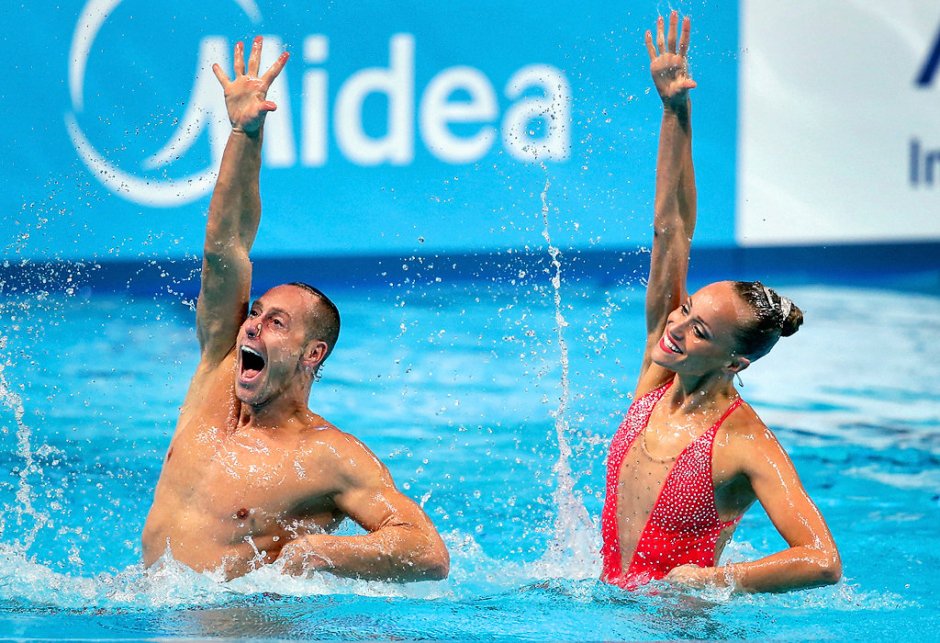
Some often ask, what is the difference between Government and Private Sector DEI and Sports DEI? A Government Executive order in January 2025 had ended all formal DEI programs, positions, and performance requirements within Federal agencies, with many other government agencies by State following. Federal funding is prohibited for any government department engaging in DEI initiatives. Many private sectors have also followed this policy as well and both government and many private sectors base hiring on strict merit based policies and free from illegal preferences, based on race or sex. Many in the private sector, overall, has now adopted a 'quiet commitment' phase, where they balance legal risks with long term business strategies. According to corporate filings, 68% of companies have dropped the use of 'DEI' although many firms have continued their initiatives by reframing to avoid litigation. On the other hand, sports have maintained a more public and firm stance on DEI. With sports, the clear performance goal is often framed through the lens of 'winning', with success measured by the ability to recruit the best talent from the widest possible pool to achieve a shared team goal. For Artistic Swimming, long-term athlete development is key to inclusion and equity for excellence in diversifying the sport.